

Camino Architecture
A Summary Guide to the Religious , Spiritual linked Architectural Aspects of the Camino
The Camino de Santiago (Way of St. James) is a pilgrimage that combines spiritual reflection, religious significance, and an impressive showcase of architectural masterpieces. Stretching through northern Spain and across Europe, this ancient route leads pilgrims to the Cathedral of Santiago de Compostela, where the relics of St. James the Apostle are believed to be housed. Along the way, pilgrims encounter not only sacred sites but also buildings that reflect centuries of religious devotion and architectural evolution, from Romanesque to Gothic and Baroque styles. This summary guide explores the religious and architectural elements that make the Camino so unique, with resources that offer further insight.
Religious Aspects of the Camino de Santiago
1. Spiritual Significance of the Camino de Santiago
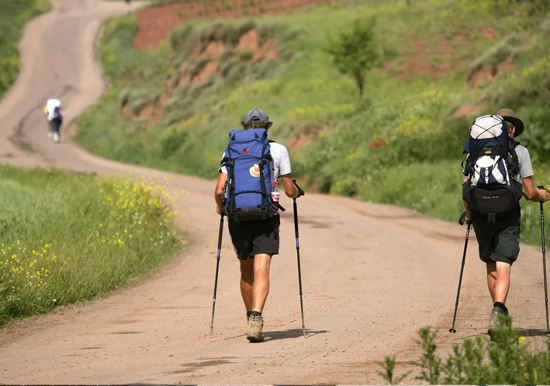
The Camino de Santiago (Way of St. James) is one of the oldest and most important Christian pilgrimage routes. Pilgrims from around the world walk this journey to honor St. James the Apostle, whose tomb is believed to be located in Santiago de Compostela, Spain. The pilgrimage symbolizes a personal and spiritual journey, often viewed as a means of penance, spiritual renewal, or fulfillment of a vow.
- Origins of the Camino: The pilgrimage began in the 9th century when the tomb of St. James was discovered in what is now Santiago de Compostela. Since then, millions of pilgrims have walked the route.
- Spiritual Practice: Pilgrims walk for personal reflection, prayer, and connection to their faith. The journey can take several weeks, and many pilgrims use it as a time for introspection, meditation, and religious devotion.
- Compostela Certificate: Upon completion of the pilgrimage, pilgrims receive a certificate called the Compostela from the Cathedral of Santiago, which attests to the religious and spiritual nature of their journey. It is awarded to those who walk at least the last 100 kilometers or cycle the last 200 kilometers.
Further Reading:
Religious Significance of the Camino de Santiago
2. Spiritual Roots and Pilgrimage Purpose
The Camino de Santiago has been a deeply spiritual journey for over a thousand years. Pilgrims walk the route for many reasons: penance, spiritual renewal, fulfilling a vow, or seeking personal transformation. It is considered one of the three major Christian pilgrimages, alongside those to Rome and Jerusalem.
- St. James the Apostle: According to tradition, the remains of St. James, one of Jesus' twelve apostles, were discovered in Santiago de Compostela in the 9th century. His tomb became the final destination for Christian pilgrims, and the site remains the heart of the Camino.
- Religious Rituals: Pilgrims engage in various rituals along the way, such as carrying the scallop shell, a symbol of St. James. The pilgrimage culminates in a Pilgrim’s Mass at the Cathedral of Santiago de Compostela, where the Botafumeiro, a giant incense burner, swings above the congregation as a sign of purification. These links are to the Botafumeiro Page of the Correos site – I chose them because of the well written detail by the Spanish Post office and rare – almost scandalous ! Humour – “ a Medieval Air Freshener” indeed.
- The Botafumeiro - For video , pix and a good story about this Camino Icon - see the page on this site Titled “Barcogrino” it’s the last blog post on the Tall Ships Camino 2024 adventure panel.
- The Pilgrims Mass - When I first walked the Camino Francés -at the start of the mass, as a special welcome to the faithful, a list is read of the pilgrims who have reached Santiago and visited the Pilgrim's Office in the past 24 hours. The list indicates the starting point of the pilgrimage and the pilgrims’ nationality or home province. I’ve been there since and I havn’t seen this tradition . It’s a shame but understandable as
Further Resources:
- Website: The Spiritual Camino
- Official pilgrimage site, detailing the spiritual journey and history of the Camino.
- Book: "The Pilgrimage" by Paulo Coelho
- Link to the Book - Read it after you walk – it’ll make more sense
- A personal account of Coelho’s spiritual journey along the Camino, exploring the deeper meaning of the pilgrimage.
- All Paulos Books – Some lovely Editions here
Religious Sites Along the Camino
The religious sites along the Camino de Santiago are not just places of historical interest but are destinations for prayer, reflection, and pilgrimage rituals. Many of these sites are churches, monasteries, and cathedrals with centuries of religious significance.
3. Cathedral of Santiago de Compostela – spelt Catedral in Galician – its NOT a spelling error 😉
The Cathedral of Santiago de Compostela is the final destination for most pilgrims. It is here that St. James is believed to be buried, making it the most significant site on the entire pilgrimage.
- Significance: The Cathedral of Santiago is the final destination of the pilgrimage and is home to the tomb of St. James. This cathedral is a major religious and architectural site, and many pilgrims attend the Pilgrim’s Mass held daily.
- Architectural Highlights: The cathedral features a mix of Romanesque, Gothic, and Baroque styles. The Botafumeiro, a giant incense burner, swings during special Masses, creating a spiritual experience for pilgrims.
- Pilgrim's Mass: The Pilgrim’s Mass at the cathedral is a sacred event for those who have completed the Camino, where they receive a special blessing.
- Key Feature: The Botafumeiro, a giant incense burner, is swung during special services, enveloping the cathedral in a cloud of incense as part of the pilgrimage's religious rituals.
Further Resource:
- Website: Link: Cathedral of Santiago de Compostela
- Official site of the Cathedral, offering history, virtual tours, and details on the religious services.
4. Monastery of San Millán de la Cogolla
Located in La Rioja, the Monastery of San Millán de la Cogolla is a UNESCO World Heritage site that played a significant role in the development of the Spanish language through the Glosas Emilianenses—the first written words in the vernacular Spanish language.
- Religious Significance: The monastery is dedicated to St. Millán, a hermit, and is considered a key site for both pilgrims and scholars. The monastery includes a crypt where the saint’s remains are kept.
Further Resource:
- Website: Monastery Website Monasteries of San Millán de la Cogolla
5. Church of St. Mary of Eunate
This Romanesque church in Navarre is unique for its octagonal shape, and it is surrounded by a portico with arches that give it a mystical and timeless quality.
- Religious Role: Many believe it was part of a Templar knights' complex, and it has become a spiritual stop for pilgrims. Its secluded and tranquil setting invites contemplation.
Further Resource:
Architectural Landmarks Along the Camino
The Camino de Santiago is not only a pilgrimage but also a journey through architectural history. Pilgrims encounter a variety of churches, cathedrals, monasteries, and albergues (hostels) that reflect different architectural styles, from Romanesque to Gothic to Baroque. These buildings offer a window into the history and culture of Spain and the route itself.
6. Romanesque Architecture on the Camino
Romanesque architecture is characterized by thick stone walls, round arches, and small windows. It was the dominant style during the 10th and 11th centuries and reflects the period's focus on fortress-like buildings to protect pilgrims from bandits and harsh conditions.
- Key Features: Rounded arches, solid structures, and symmetrical designs.
- Notable Example: Monastery of San Juan de la Peña, located near Jaca, is a prime example of Romanesque architecture, with its stunning frescoes and peaceful atmosphere.
- Key Features: Solid stone structures, thick columns, and muted lighting. The Church of San Juan Bautista in Burgos is another example.
- Church of St. Mary of Eunate (Navarre): This church is an excellent example of Romanesque architecture with its octagonal design and cloister.
- Monastery of San Juan de la Peña (Huesca): A remarkable Romanesque site, carved into the rock, with impressive frescoes and architectural features.
Further Resource - A nice little site – not often visited outside of Spain
7. Gothic Architecture on the Camino
- As the Camino developed, the Gothic style emerged (12th–16th centuries), marked by tall pointed arches, flying buttresses, and stained-glass windows. The Gothic style was designed to inspire awe and elevate the spiritual experience with grand, light-filled interiors.
- Notable Example: The Cathedral of León, a masterwork of Gothic architecture, is renowned for its magnificent stained-glass windows and soaring spires.
- Key Features: Verticality, pointed arches, and stained-glass windows. Taller, more intricate designs, flying buttresses that support walls with large windows, and a focus on height and light.
- Notable Examples:
- Cathedral of León: This cathedral is one of the most stunning examples of French Gothic architecture, with its vast stained-glass windows that create a mystical, light-filled space.
- Basilica of San Isidoro (León): Though primarily Romanesque, it also contains Gothic elements, especially in its frescoes and upper galleries.
Further Exploration:
- Gothic Architecture on the Camino - Very Well Presented
- Website: The Cathedral is a LOT better looking than their website . Try this direct link to the Cathedral of León
8. Baroque Architecture
The Baroque style (17th–18th centuries) brought a more dramatic, elaborate, and ornate aesthetic to churches and cathedrals, with a focus on grandeur and artistic expression.
- Key Features: Elaborate facades, ornate altars, and dramatic contrasts in light and dark.
- Notable Examples:
- Cathedral of Santiago de Compostela: While the core structure of the cathedral is Romanesque, it underwent Baroque modifications in the 18th century, especially in the facade and altar.
- Church of Santa María la Real (Navarre): A beautiful example of Baroque design, with a richly detailed altar and impressive decorative elements.
- Key Features: Elaborate facades, ornate altars, and dramatic contrasts in light and dark.
- Ornate is an understatement for the facades, intricate interior design, and dramatic lighting effects that convey awe and spirituality.
- Baroque Architecture on the Camino Very Studious site – but good photos
- Book: If You Stand Here: A Pilgrim's Tour of the Cathedral of Santiago de Compostela (An American Pilgrim on the Camino de Santiago)
9. Lets not forget the Architecture you see when experiencing Pilgrim Hospitality:
The Albergues and Hospitals of the Camino
Throughout the Camino, pilgrims also encounter numerous albergues (hostels) and hospitales (hospitals), many of which are housed in historic buildings.
- Hospitals: These were built to care for sick or injured pilgrims. Some hospitals, such as the Hospital de los Reyes Católicos in Santiago de Compostela, now a high end 7 Star Hotel with 340 Euro single room rates ! …later became important royal institutions.
- Albergues: You’ll stay in places which are sometimes housed in anything from Old Farm Houses , Street facing doorways that suddenly open up to a huge multi dorm complex to historic monasteries or church buildings, offering a unique architectural experience alongside their spiritual journey.
- Alberques – Her Essential Guide - a simple do’s and don’ts article from Mikala at Unanchoredpassenger.com . Its clear and all of it essential basics .
- Hospitals and Albergues on the Camino Some personal recommendations from a mercifully Ad Free Blog site by Colleen and Gerry – great Enthusiasm.
Modern and Virtual Resources
For those unable to visit in person, a virtual tour offers an in-depth view of the cathedral’s Romanesque, Gothic, and Baroque elements.
- Explore the Fab Catedral: Virtual Tour of the Catedral by Google Arts & Culture
- Movie : The Latest One is – “The Way- My Way” 2024
- Adapted from Bill Bennett’s memoir, this film about his time hiking the 800km trail celebrates life’s simplest pleasures: walking, talking, imbibing . Here’s a review from the Guardian
- Watch a Trailer : “The Way- My Way”
- 3. Podcast - Camino Podcasts
Theres a ton of podcasts about the Camino. Some Great like the one in the link below – some mediocre. They features stories from pilgrims and insights into the religious significance and architectural marvels of the Camino, offering tips and inspiration for potential walkers.
- Listen: The Camino Podcast
The Camino de Santiago is much more than a physical journey; it is a sacred, architectural, and cultural exploration of the heart of Spain and its deep-rooted Christian history.
Conclusion
The religious and architectural landmarks of the Camino de Santiago are integral to its identity as a pilgrimage route. From the spiritual energy of St. James' tomb in Santiago to the architectural beauty of the Romanesque, Gothic, and Baroque churches, monasteries, and cathedrals, the Camino offers an experience that is as much about reflection and devotion as it is about historical exploration. The resources provided above offer a wide array of tools to understand and appreciate the sacred and architectural wonders that define this iconic route.