

Camino Training Guide #2 – The Cautious One
“Sedentary to Santiago” in 16 Weeks
Preparing for the Camino de Santiago at 55+ years of age, especially when starting from a sedentary lifestyle, requires a gradual, cautious approach to ensure safety and avoid overtraining or injury. This program focuses on building cardiovascular endurance, muscle strength, and joint flexibility, with an emphasis on listening to your body and maintaining proper recovery.
The program is structured over 16 weeks to allow for proper adaptation and includes rest days to prevent overuse injuries. Always consult a healthcare provider before starting any exercise program, especially if you have pre-existing conditions or concerns.
Health and Caution Warnings:
- Consult your doctor: Before beginning this program, get a physical examination, particularly if you have any existing medical conditions (e.g., heart disease, joint issues, diabetes, etc.).
- Listen to your body: If you feel pain (not just muscle fatigue), dizziness, or extreme discomfort, stop immediately and seek medical advice.
- Hydrate properly: Carry water on walks and ensure proper hydration during longer walks or training.
- Foot care: Proper shoes are essential for avoiding blisters and discomfort. Wear shoes with good arch support and cushioning.
- Gradual load increase: Avoid sudden increases in distance or weight to prevent strain on your joints and muscles.
- Warm-up and cool-down: Never skip warm-ups and cool-downs. Stretching before and after exercise is essential for flexibility and injury prevention.
General Structure of the Program
- Walking: Gradually increase the distance and time spent walking each week.
- Strength training: Focus on lower body and core strength, as well as upper body for carrying a backpack.
- Rest: Always schedule 1-2 full rest days per week, with an additional "active recovery" day where you walk gently or stretch.
- Flexibility: Emphasize stretching and mobility exercises to keep joints flexible.
Weekly Breakdown (16 Weeks)
Weeks 1-4: Starting Slowly and Building a Foundation
Focus on walking short distances and light strength training to build endurance.
- Monday: Rest or gentle stretching
- Tuesday: 20-30 minute walk at a comfortable pace (flat terrain, no backpack)
- Wednesday: Strength training (full body with focus on legs and core):
- Squats (2 sets of 10 reps)
- Step-ups (2 sets of 10 reps per leg)
- Wall push-ups (2 sets of 8-10 reps)
- Standing calf raises (2 sets of 10-12 reps)
- Plank (2 sets of 15-30 seconds)
- Thursday: 30-minute walk at a moderate pace (flat terrain, no backpack)
- Friday: Strength training (focus on legs and core):
- Lunges (2 sets of 8 reps per leg)
- Glute bridges (2 sets of 12 reps)
- Bird dogs (2 sets of 8-10 reps per side) – Good Name – Look it up.
- Side leg raises (2 sets of 12 reps per leg)
- Saturday: 40-minute walk at a comfortable pace (flat terrain, no backpack)
- Sunday: Active recovery (gentle yoga, stretching, or light walking)
Weeks 5-8: Increasing Distance and Intensity
Start increasing walking distances and introduce light backpack training.
- Monday: Rest or gentle stretching
- Tuesday: 30-40 minute walk, gradually increasing pace (with 2-3 kg backpack)
- Wednesday: Strength training (legs and core):
- Squats (3 sets of 12 reps)
- Step-ups (3 sets of 12 reps per leg)
- Wall push-ups (3 sets of 10-12 reps)
- Standing calf raises (3 sets of 15 reps)
- Plank (3 sets of 30-40 seconds)
- Thursday: 40-minute walk (with 2-3 kg backpack)
- Friday: Strength training (legs, core, and upper body):
- Lunges (3 sets of 12 reps per leg)
- Glute bridges (3 sets of 15 reps)
- Shoulder press with light dumbbells (3 sets of 10 reps)
- Back extensions (3 sets of 12 reps)
- Saturday: 60-minute walk (with 3-4 kg backpack)
- Sunday: Active recovery (gentle yoga, stretching, or light walking)
Weeks 9-12: Building Endurance and Strength
Now we start pushing for longer walks and higher intensity.
- Monday: Rest or gentle stretching
- Tuesday: 40-50 minute walk (with 4-5 kg backpack)
- Wednesday: Strength training (legs and core):
- Squats (3 sets of 15 reps)
- Step-ups (3 sets of 15 reps per leg)
- Wall push-ups or regular push-ups (3 sets of 10-12 reps)
- Standing calf raises (3 sets of 20 reps)
- Plank (3 sets of 40-60 seconds)
- Thursday: 60-minute walk (with 4-5 kg backpack)
- Friday: Strength training (legs, core, and upper body):
- Lunges (3 sets of 12 reps per leg)
- Glute bridges (3 sets of 20 reps)
- Shoulder press with light weights (3 sets of 12 reps)
- Back extensions (3 sets of 15 reps)
- Saturday: 90-minute walk (with 5-6 kg backpack)
- Sunday: Active recovery (gentle yoga, stretching, or light walking)
Weeks 13-16: Final Endurance Training and Preparation
Continue building endurance with longer walks and simulate walking conditions.
- Monday: Rest or gentle stretching
- Tuesday: 60-minute walk (with 5-6 kg backpack)
- Wednesday: Strength training (legs, core, and upper body):
- Squats (3 sets of 20 reps)
- Step-ups (3 sets of 15 reps per leg)
- Wall push-ups (3 sets of 12 reps)
- Standing calf raises (3 sets of 20 reps)
- Plank (3 sets of 1 minute)
- Thursday: 90-minute walk (with 6-7 kg backpack)
- Friday: Strength training (legs, core, and upper body):
- Lunges (3 sets of 15 reps per leg)
- Glute bridges (3 sets of 20 reps)
- Shoulder press (3 sets of 15 reps)
- Back extensions (3 sets of 20 reps)
- Saturday: 2-hour walk (with 7-8 kg backpack)
- Sunday: Active recovery (gentle yoga, stretching, or light walking)
Additional Notes:
- Rest Days: These are essential. Listen to your body, and rest if you're feeling tired or sore. You can substitute an active recovery day (gentle yoga or stretching) if needed.
- Backpack: Start with a very light backpack and gradually increase the weight as your body adapts. It’s crucial to simulate the weight you’ll carry on the Camino to avoid injury.
- Footwear: Invest in proper hiking shoes with good arch support. Break them in with shorter walks before going for longer distances.
- Nutrition: Stay hydrated, eat balanced meals, and consider portable snacks like nuts, dried fruit, and energy bars when walking longer distances.
- Mental Preparation: The Camino de Santiago is as much a mental challenge as it is a physical one. Stay positive, pace yourself, and take rest when needed.
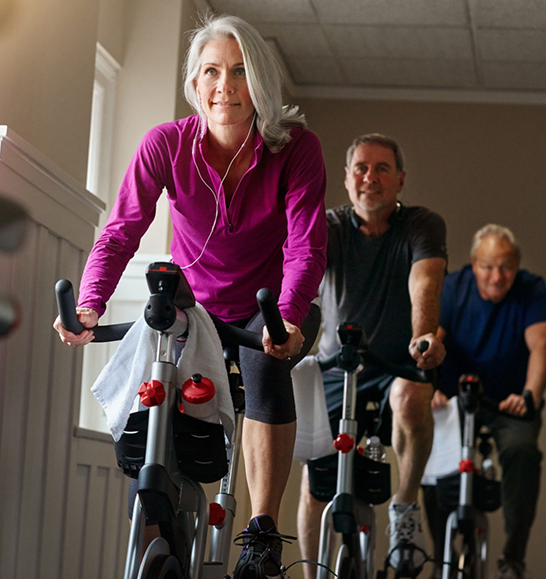
By following this safe and gradual program, you should be able to build endurance and prepare your body to walk the Camino de Santiago while carrying a backpack. It’s important to take it slow, focus on proper recovery, and listen to your body throughout the training process.
Handy Guide – with some Photos - But Most of what you need is above .